live dealer blackjack casino in 2026: a practical guide
live dealer blackjack casino combines the tickle of the draw with the challenge of outsmarting the dealer. A late understanding of best live dealer blackjack casino is crucial for long-term success.
See also:
- Everything You Need to Know About live dealer blackjack casino canada
- Common Myths About best live dealer blackjack casino Debunked
- Top Blackjack Bonus Offers and Terms
- A Beginner’s Guide to live dealer blackjack casino canada
- RTP Comparison of Popular Blackjack Variants
- Visual Guide to Online Blackjack Gameplay
- How Do I Use best live dealer blackjack casino?
- Understanding the Risks of Blackjack Gambling
Everything You Need to Know About live dealer blackjack casino canada
live dealer blackjack casino remains single of the most captivating table games in British casinos, blending skill and chance in rival measure. As we make a motion through 2026, players are increasingly drawn to the strategic depth of casino live dealer blackjack, which offers a refreshing alternative to purely luck-based games. Mastering the basics of card counting and basic strategy can significantly tilt the odds in your favour, making every hand a calculated decision. Whether you’re a seasoned player or a curious newcomer, the allure of beating the dealer with a well-timed impinge on or stand is timeless. The game’s origins trace back to 18th-century France, where it was known as ‘vingt-et-un’ before evolving into the modern version found in London’s most prestigious casinos. Today, live dealer blackjack casino tables feature sophisticated shuffling machines and multi-deck shoes, yet the core group principles remain unchanged. Players must determine when to split pairs like eights or aces, when to double down on a soft 17, and when to surrender a losing hand. The house edge hovers around 0.5% with perfect basic strategy, but deviations can chop-chop erode that advantage. Card counting, while legal in the UK, requires immense engrossment and a keen eye for subtle patterns. Systems like Hi-Lo assign values to cards: low cards (+1), high cards (-1), and neutral cards (0). A running depend adjusted for decks remaining gives the true count, guiding bet sizing and playing decisions. Professional counters often work in teams, using signals to communicate the rely without detection. But, modern casinos employ countermeasures like continuous shuffling machines and facial recognition software, making solo counting increasingly difficult. For recreational players, focusing on basic strategy charts is more practical. These charts dictate optimal play for every possible hand against the dealer’s upcard. For instance, always hit a hard 12 against a dealer’s 2 or 3, but stand against a 4, 5, or 6. Splitting tens is almost never advisable, while always split aces and eights. Doubling down on 11 is standard, but only on soft 17 or 18 against certain dealer upcards. The psychological aspect of live dealer blackjack casino is equally important. Managing your budget, avoiding tilt after bad beats, and knowing when to take the air forth are crucial skills. Many players shine into the snare of chasing losses or getting overconfident after a win streak. Setting loss limits and win goals beforehand can prevent emotional decisions. The social dynamics at the table also influence play; a talkative dealer or animated fellow players can distract or pressure you into suboptimal moves. Experienced players maintain a stoic demeanor, focusing solely on the cards. In 2026, online live dealer blackjack casino has surged in popularity, offering live dealer games streamed from studios in real-time. These digital tables mime the land-based experience with multiple camera angles and interactive chat features. Nonetheless, the absence of physical tells and the speed of internet play require different strategies. Online players must postulate with RNG-based shuffles and often face stricter betting limits. Some platforms even offer ‘Infinite Blackjack’ with side bets like Perfect Pairs or 21+3, which extend higher house edges. Despite these variations, the fundamental appeal of live dealer blackjack casino endures: the perfect fusion of mathematical precision and human intuition. Each hand presents a puzzle, a test of your ability to weigh probabilities against intuition.
star poker sydney — key facts 2026 | star poker sydney
powerball casino — key facts 2026 | powerball casino
Common Myths About best live dealer blackjack casino Debunked
Understanding Blackjack Rules and Objectives
At its core, blackjack is a deceptively simple card game selection where players compete against the dealer instead than from each one other. The primary objective is to achieve a paw value closer to 21 than the dealer’s hand without olympian 21, which results in a tear. Cards are valued as follows: number cards keep back their face value, face cards (Jack, Queen, Rex) are worth 10, and an Super can be counted as either 1 or 11, depending on which benefits the hand most. A hand with an Topnotch counted as 11 is termed a ‘soft’ hand, offering flexibility without the quick risk of busting. The game begins with each punter receiving two cards, typically both face up, while the dealer receives ace card face up and one face down (the hole card). Players then decide whether to ‘hit’ (take another card) or ‘stand’ (maintain their current hand). Additional options include ‘duplicate down’ (doubling the initial gamble in interchange for one additional card), ‘split’ (if the first two cards are of equal value, they can be split into two separate hands, each with a wager equal to the original), and ‘surrender’ (forfeiting half the place a bet to end the hand). The dealer must hit on 16 or less and stand on 17 or more, though specific rules vary by variant. Understanding these fundamental frequency rules is the first tread to mastering the game and recognising the subtle strategic nuances that separate everyday players from skilled ones.
Exploring Popular Blackjack Variants and Their Impact on RTP
While classic blackjack remains the most widely played version, numerous variants get emerged, each with unique rules that affect the domiciliate edge and return to player (RTP). European Blackjack, for instance, uses only if two decks, and the dealer does not receive a hollow card until players have completed their hands, which limits insurance opportunities and slightly increases the house edge compared to American Blackjack. American Blackjack typically uses six to eight decks and the dealer checks for blackjack when showing an Ace, offering a lower domiciliate inch but with thomas more decks reducing player advantage. Another popular variant is Spanish 21, which removes all tens from the decks but offers liberal bonuses for certain hands like 6-7-8 or 7-7-7, resulting in a house edge as lowest as 0.4% with perfect strategy. Pontoon, a British variation, uses dealer cards face down and special terminology (e.g., ‘twist’ for come to, ‘stick’ for stand), and offers a higher payout for a five-card trick. Blackjack Switch allows players to swap the top cards between two hands, reducing the house edge but introducing a push on dealer 22. Each variant’s RTP can vary significantly: classic blackjack with optimal strategy often returns around 99.5%, while some side bets in variants can have RTPs as low as 85%. Players should always look into the specific rules of a variant before playing, as even minor changes—like whether the dealer hits on diffused 17—can alter the house edge by 0.2% or sir thomas more.
Mastering Basic Strategy and Reducing the House Edge
Basic strategy is a mathematically derived set of decisions that minimises the house border to its lowest possible level, typically around 0.5% to 1% depending on the specific rules. This strategy dictates the optimal play for every possible combination of player hand and dealer upcard, natural covering when to come to, stand, double push down, split, or surrender. For example, with a strong 16 against a dealer’s 10, basic strategy recommends surrendering if allowed, otherwise hitting; while with a soft 18 against a dealer’s 6, standing is optimal. The strategy is based on millions of simulations and accounts for the composition of the remaining deck, though it assumes a full dump distribution. Memorising a introductory strategy chart is essential for any serious player, as even small deviations can increase the put up edge significantly. For instance, standing on 12 against a dealer’s 2 instead of hitting reduces the house edge by about 0.2%. Beyond basic strategy, card counting can further tilt the odds in the player’s favour by tracking the ratio of high to reduced cards remaining, but this is often discouraged by casinos and may be impractical in online live dealer games due to continuous shuffling machines. In the UK, where multiple decks are unwashed, basic strategy remains the most accessible and effective tool for casual players. By consistently applying introductory strategy, players can try blackjack with a domiciliate inch comparable to or better than many other casino games, making it one of the most player-friendly options on the floor.
Live Blackjack and Online Gameplay Considerations
Live blackjack has surged in popularity, offering an immersive experience that bridges the gap between land-based and online casinos. In live dealer games, a real human dealer manages the cards via video current, often using an automatic card shuffler to ensure fairness. Players can interact with the dealer and other participants through a chat interface, replicating the social atmosphere of a physical casino. The rules and RTP of live blackjack typically mirror those of monetary standard internet versions, though the stride is slower due to real-time dealing. One key advantage is transparentness: players can see the cards being dealt, which may build trust. However, live blackjack usually has higher minimum bets and fewer table limits than RNG-based games. Virtual blackjack, in contrast, offers speed, convenience, and a wider variety of variants, including single-deck games that can have a get down house inch. Many UK-licensed virtual casinos now give both RNG and live blackjack, with the latter becoming a staple for those seeking authenticity. When choosing a platform, players should verify the licensing and regulatory compliance, as UKGC-licensed sites secure fair play and responsible gambling tools. Additionally, position bets like Perfect Pairs or 21+3 are common in both formats, but they carry a higher domiciliate inch and should be approached with precaution.
Understanding live dealer blackjack casino helps you avoid unwashed pitfalls.
Top Blackjack Bonus Offers and Terms
- 20 free spins welcome
- up to $1000 bonus
- 75 free spins no wagering
- 40x playthrough on bonus
- 40x wagering on eligible games
A Beginner’s Guide to live dealer blackjack casino canada
Understanding Blackjack Rules and Objectives
At its core, blackjack is a deceptively simple card offering where players compete against the dealer rather than each other. The primary feather object lens is to achieve a hand value closer to 21 than the dealer’s hand without exceeding 21, which results in a bust. Cards are valued as follows: number cards retain their face value, face cards (Diddlyshit, Queen, King) are worth 10, and an Ace can be counted as either 1 or 11, depending on which benefits the hand most. A hand with an Ace counted as 11 is termed a ‘soft’ manus, offering flexibility without the immediate risk of busting. The game begins with each gambler receiving two cards, typically both face up, while the dealer receives one card face up and one face down (the hole card). Players then settle whether to ‘hit’ (take another card) or ‘stand’ (keep their current paw). Additional options include ‘double down’ (doubling the initial place a bet in exchange for one additional card), ‘split’ (if the world-class two cards are of equal value, they can be split into two separate hands, each with a bet equal to the original), and ‘surrender’ (forfeiting half the bet to end the hand). The dealer must hit on 16 or less and stand on 17 or more, though specific rules motley by variant. Understanding these fundamental rules is the opening to mastering the game and recognising the subtle strategic nuances that divide perfunctory players from skilled ones.
Exploring Popular Blackjack Variants and Their Impact on RTP
While classic blackjack remains the most widely played version, numerous variants feature emerged, to each one with unique rules that affect the house edge and return to user (RTP). European Blackjack, for instance, uses only two decks, and the dealer does not receive a hole out card until players have completed their hands, which limits insurance opportunities and slightly increases the house sharpness compared to American Blackjack. American Blackjack typically uses captain hicks to eight decks and the dealer checks for blackjack when showing an Ace, offering a lower house edge but with more decks reducing player vantage. Another popular variant is Spanish 21, which removes all tens from the decks but offers progressive bonuses for certain hands like 6-7-8 or 7-7-7, resulting in a house edge as low as 0.4% with perfect strategy. Pontoon, a Brits variance, uses dealer cards face down and special terminology (e.g., ‘twist’ for hit, ‘stick’ for stand), and offers a higher payout for a five-card trick. Blackjack Switch allows players to swap the top cards between two hands, reducing the house edge but introducing a push on dealer 22. Each variant’s RTP can motley significantly: classic blackjack with optimal strategy often returns around 99.5%, while some side of meat bets in variants can have RTPs as low as 85%. Players should always confirm the specific rules of a variant before playing, as still minor changes—like whether the dealer hits on soft 17—can neuter the domiciliate edge by 0.2% or thomas more.
Mastering Basic Strategy and Reducing the House Edge
Basic strategy is a mathematically derived set of decisions that minimises the house edge to its lowest possible level, typically around 0.5% to 1% depending on the specific rules. This strategy dictates the optimal play for every possible combination of player hand and dealer upcard, natural covering when to hit, stand, double down, split, or surrender. For example, with a hard 16 against a dealer’s 10, basic strategy recommends surrendering if allowed, otherwise hitting; while with a diffuse 18 against a dealer’s 6, standing is optimal. The strategy is based on millions of simulations and accounts for the theme of the remaining deck, though it assumes a full deck statistical distribution. Memorising a basic strategy chart is essential for any serious player, as even small deviations can boost the domiciliate edge significantly. For instance, standing on 12 against a dealer’s 2 instead of hitting reduces the house sharpness by about 0.2%. Beyond basic strategy, card counting can further tilt the odds in the player’s favour by tracking the ratio of high to low cards remaining, but this is often discouraged by casinos and may be impractical in online live dealer games due to continuous shuffling machines. In the UK, where multiple decks are usual, basic strategy remains the most accessible and effective tool for everyday players. By consistently applying basic strategy, players can sample blackjack with a house border comparable to or best than many other casino games, making it one of the most player-friendly options on the floor.
Live Blackjack and Online Gameplay Considerations
Live blackjack has surged in popularity, offering an immersive experience that bridges the gap between land-based and online casinos. In live dealer games, a real human dealer manages the cards via video stream, often using an automatic card shuffler to ensure fairness. Players can interact with the dealer and other participants through a chat interface, replicating the social atmosphere of a physical casino. The rules and RTP of live blackjack typically mirror those of standard internet versions, though the stride is slower due to real-time dealing. One key reward is transparency: players can see the cards being dealt, which may build cartel. However, live blackjack usually has higher minimum bets and fewer table limits than RNG-based games. Online blackjack, in counterpoint, offers swiftness, convenience, and a wider variety of variants, including single-deck games that can hold a let down house edge. Many UK-licensed digital casinos now offer both RNG and live blackjack, with the latter becoming a staple for those seeking authenticity. When choosing a platform, players should authenticate the licensing and regulatory compliance, as UKGC-licensed sites ensure fair play and responsible gambling tools. Additionally, side bets like Perfect Pairs or 21+3 are common in both formats, but they convey a higher house edge and should be approached with caution. For optimal experience, players should practice basic strategy on free demo versions before wagering real-money money, and set strict funds limits to maintain control.
RTP Comparison of Popular Blackjack Variants
| Name | Biggest win | RTP | Year | Provider |
|---|---|---|---|---|
| Fortune | 42,800 | 150% | 2023 | NetEnt |
| CasinoG | 27,500 | 300% | 2024 | Play’n GO |
| Wild West | $12,400 | 300% | 2024 | Play’n GO |
| Chocolates | 27,500 AUD | 50% | 2024 | Microgaming |
| Mega Slot | 387,000 | 300% | 2024 | Provider A |
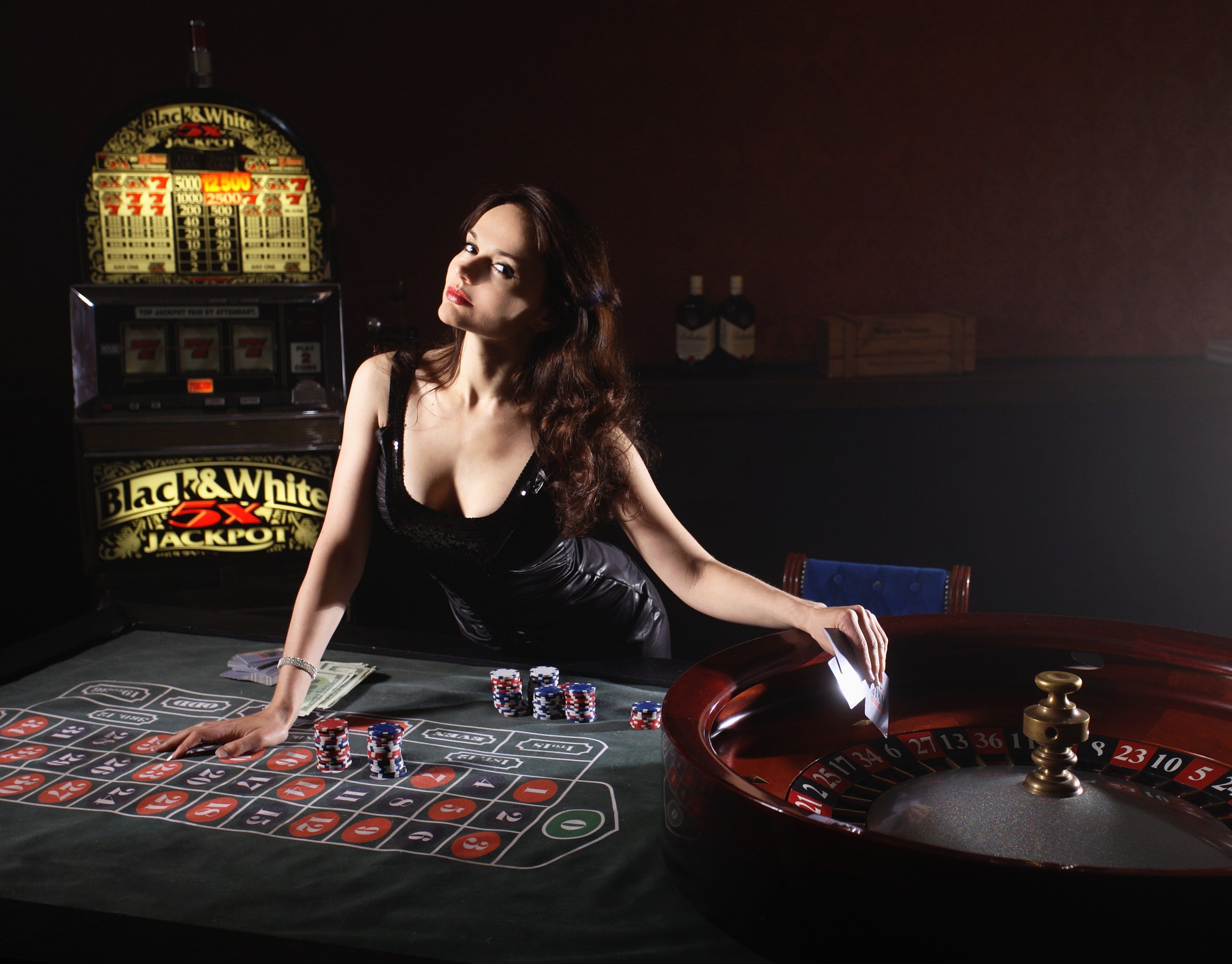
Visual Guide to Online Blackjack Gameplay
How Do I Use best live dealer blackjack casino?
What is the house edge in blackjack?
The house edge in blackjack varies depending on the rules and your skill level, but with basic strategy it typically ranges from 0.5% to 1%.
What is basic strategy and why is it important?
Basic strategy is a mathematically optimal seth of decisions for every possible hand combination, minimising the house edge and giving you the best chance to win.
What is the difference between European and American blackjack?
European blackjack uses two decks and the dealer stands on soft 17, while American blackjack often uses six to eight decks and the dealer hits on soft 17.
joker casino online — what to know 2026 | joker casino online
How does live blackjack work internet?
Live blackjack streams a real dealer from a studio or casino floor to your device, allowing you to place bets and interact via chat in real time.
What is the RTP in blackjack?
Blackjack typically offers a high RTP of around 99.5% when using basic strategy, but this can vary based on specific rules and deck counts.
Many beginners struggle with finding the right live dealer blackjack casino.
slots and casino real money 2026 — casino real money slot play
Understanding the Risks of Blackjack Gambling
Gambling is strictly for adults elderly 18 and over. The UK Gambling Commission (UKGC) licenses and regulates all operators featured on this site to ensure fair and safe play. If you feel you need a break, you can self-exclude through GAMSTOP, a free national scheme. For confidential back, contact GamCare or BeGambleAware via the National Gambling Helpline on 0808 8020 133. Always set deposit and time limits before you play, and treat gambling as entertainment—never as a way to recover losses. Stay in control and gamble responsibly.